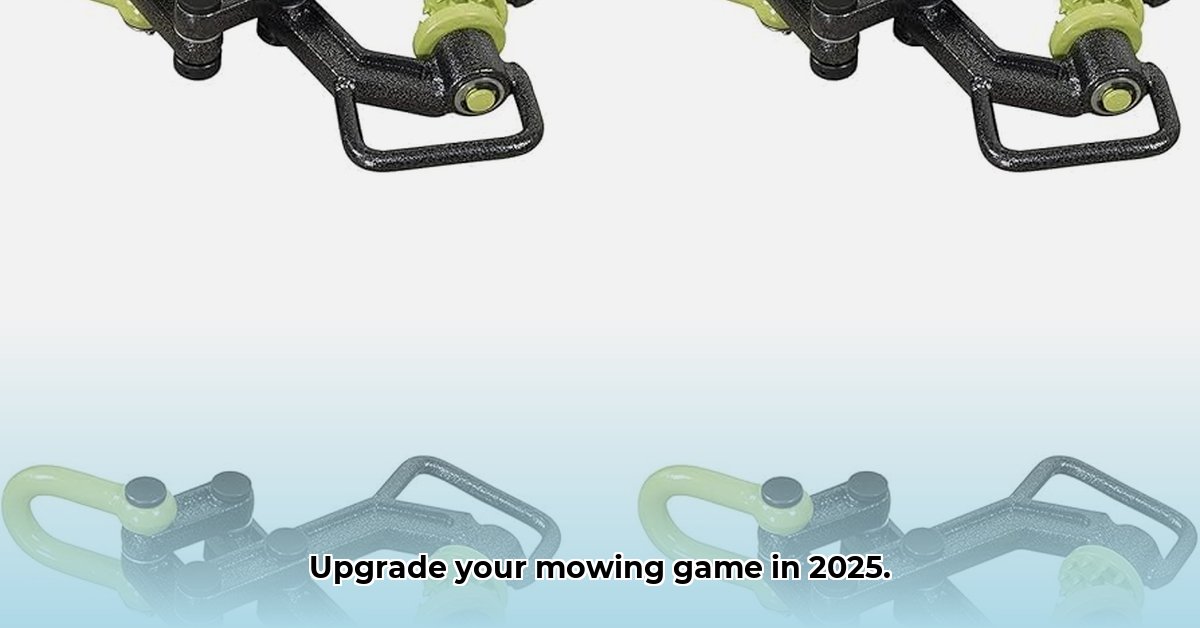
Clearing land efficiently requires the right tools. A brush grubber, whether manual or mechanized, can significantly reduce the time and effort involved. This guide helps you choose the best brush grubber for your needs, considering both immediate and long-term costs. For more information on tractor-powered options, check out this resource on pull-behind mowers.
Assessing Your Land Clearing Project: Scale and Scope
Before selecting a brush grubber, honestly assess the scale of your project. A small backyard cleanup demands a different approach than clearing acres of dense woodland. This initial evaluation determines the type of brush grubber needed – manual for small jobs, mechanized for larger projects. Consider these key factors:
- Area size: How much land needs clearing? Small areas might benefit from a manual approach, while larger areas justify the investment in a mechanized brush grubber.
- Vegetation density: Is it light brush or thick, dense growth? Dense vegetation demands a more robust and powerful machine.
- Terrain: Hilly terrain requires a smaller, more maneuverable unit. Flat land allows for larger, more powerful machines.
Manual vs. Mechanized Brush Grubbers: A Detailed Comparison
The choice between manual and mechanized brush grubbers is critical. Each offers distinct advantages and disadvantages:
| Feature | Manual Brush Grubber | Mechanized Brush Grubber |
|---|---|---|
| Cost | Lower initial investment. | Higher initial investment. |
| Effort | Requires significant manual labor. | Requires minimal physical labor; primarily tractor operation. |
| Scale | Suitable for small areas and light vegetation. | Ideal for large areas and dense vegetation. |
| Maintenance | Simple cleaning and maintenance. | More complex maintenance; may require professional assistance. |
| Efficiency | Slower clearing speed. | Significantly faster clearing speed. |
Key Specifications and Features to Consider
Regardless of your choice, several key specifications determine a brush grubber's performance and longevity:
- Construction Material: Heavy-duty steel is crucial for durability. Look for thick, robust construction that can withstand impacts.
- Tine Strength and Design: The tines (metal teeth) are the working components. Stronger tines handle larger debris and denser brush. Consider tine spacing and arrangement for optimal performance.
- Attachment Compatibility (Mechanized): If buying a mechanized model, ensure compatibility with your tractor's three-point hitch system. Verify weight capacity to avoid overloading your tractor.
- Safety Features: Prioritize safety features like safety shrouds or guards to prevent injuries from flying debris.
Step-by-Step Guide to Brush Grubber Acquisition
- Project Assessment: Accurately estimate the size and complexity of the clearing project.
- Budgeting: Establish a realistic budget considering initial cost, maintenance, and potential repairs.
- Model Research: Compare several models from reputable manufacturers, focusing on features and user reviews.
- Online Reviews: Consult websites like theforestrypros.com for unbiased comparisons and user feedback.
- Safety Gear: Invest in appropriate safety gear, including gloves, eye protection, and sturdy boots.
- Maintenance Plan: Develop a regular maintenance schedule for cleaning and lubrication to maximize the brush grubber's lifespan.
Avoiding Common Mistakes: A Checklist for Informed Decisions
Many land clearing projects fail due to inadequate planning. Avoid these pitfalls:
- Underestimating Project Size: Accurate estimation prevents delays and potential cost overruns.
- Choosing an Inappropriate Tool: Selecting a tool too small for the task leads to inefficiency and frustration.
- Neglecting Safety: Proper safety gear and adherence to manufacturer instructions are paramount.
Where to Buy and What to Expect from Tractor Supply
Tractor Supply Company (TSC) is a reliable source for brush grubbers. Check both their online and physical stores for available models, pricing, and customer reviews. Remember that online reviews offer valuable insights, but always cross-reference information from multiple sources.
"Selecting the right brush grubber involves a careful assessment of your project's scale and your long-term needs," says Dr. Emily Carter, Agricultural Engineering Professor at Purdue University. "Don't solely focus on the initial investment; consider maintenance, fuel efficiency, and overall durability for a truly cost-effective solution."
Sustainable Forestry and Long-Term Cost Effectiveness
Sustainable forestry practices demand careful consideration of long-term costs. The initial purchase price is only one factor. Consider:
- Maintenance Costs: Regular maintenance extends the brush grubber's lifespan and reduces repair needs.
- Fuel Consumption: Higher horsepower equals greater fuel consumption, impacting operational costs.
- Repair Costs: Invest in a reliable model with readily available parts and service to minimize unexpected repair expenses.
- Environmental Impact: Consider the brush grubber's impact on soil health and the overall ecosystem.
Choosing the right brush grubber requires careful planning and research. By following this guide's recommendations, you'll be well-equipped to make an informed decision that maximizes efficiency, minimizes costs, and promotes sustainable land management.